One Button to Become the Hub — The Three-Layer Design of xGrid Promote

One Button to Become the Hub — The Three-Layer Design of xGrid Promote

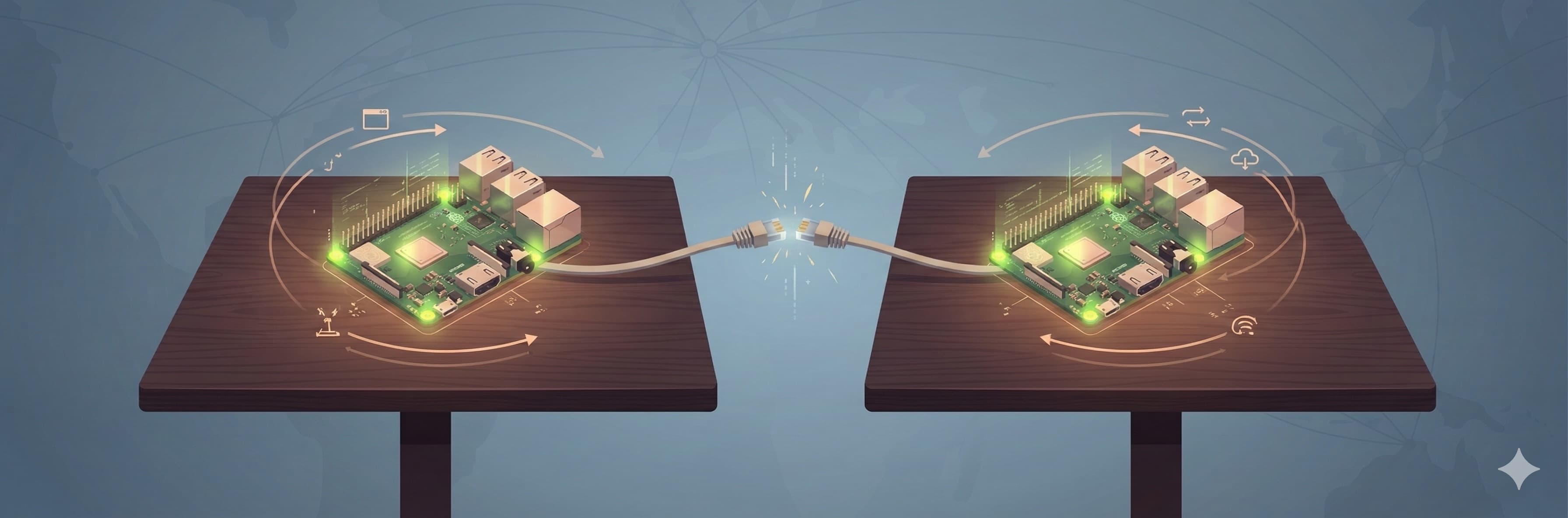
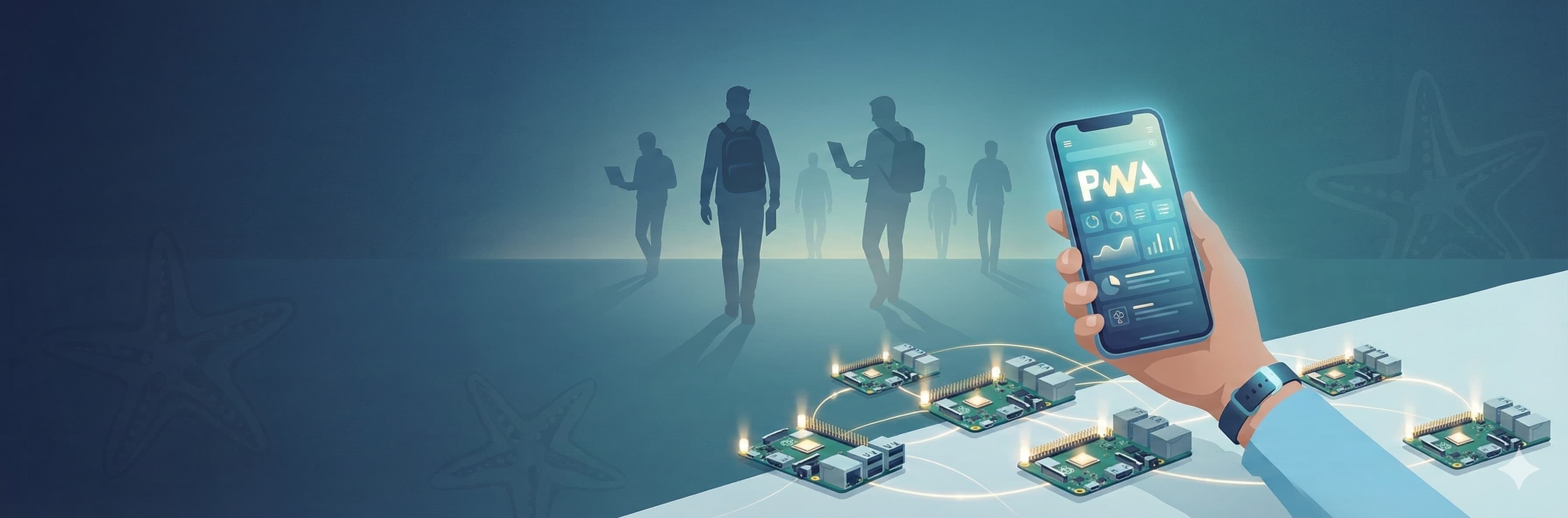
Promoting a Spoke to Hub doesn't require SSH, a laptop, or command-line skills. Scan a QR code for WiFi, open the PWA, press a button — three steps. Behind it is a Script → API → UI architecture that lets a nurse perform what would otherwise be a sysadmin operation.

Unplug and Go — Hub-Spoke Topology, Role Promotion, and Five-Minute Failover in xGrid

Unplug and Go — Hub-Spoke Topology, Role Promotion, and Five-Minute Failover in xGrid

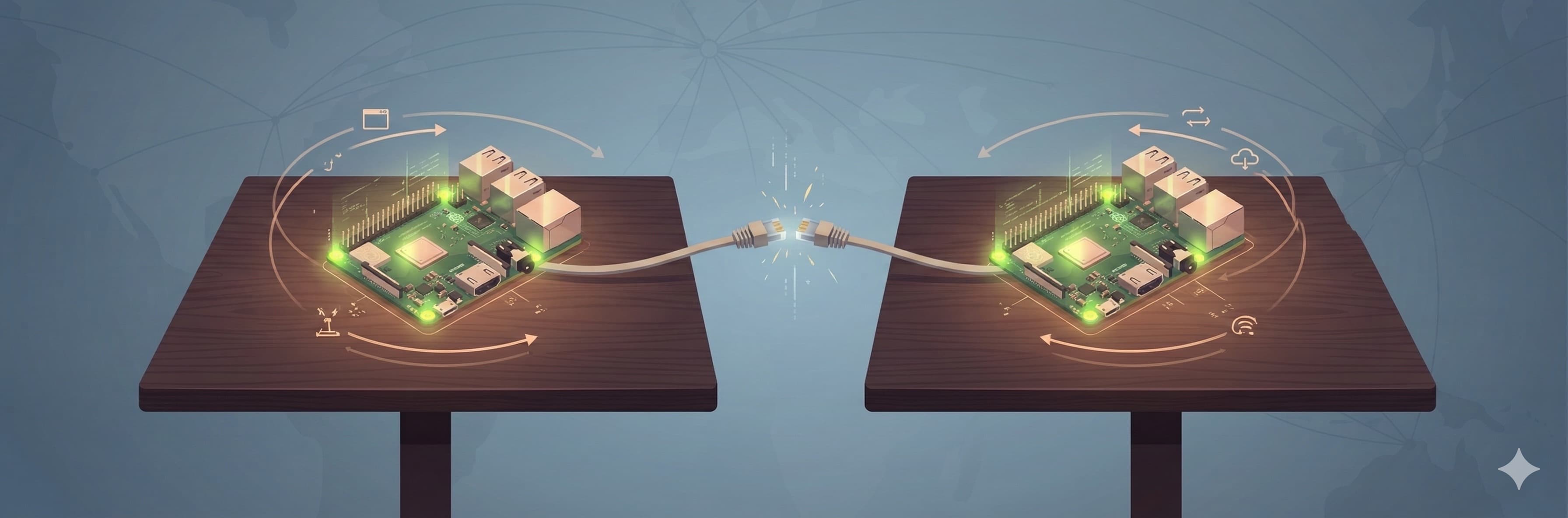
Any Spoke can become a Hub in minutes. A failed Hub gets replaced in five. Every Raspberry Pi ships with the full stack pre-installed — the role is just a config file. This is how xGrid handles topology changes in disconnected environments.

Every Bag's Journey — Digitizing Blood Product Chain of Custody in Disaster Medicine

Every Bag's Journey — Digitizing Blood Product Chain of Custody in Disaster Medicine

A blood product passes through 16 custody steps from intake to transfusion. In a disaster zone with no network and three stations evacuating simultaneously, every step must be recorded. Here is how xGrid tracks every bag, from intake to transfusion.

Burn Rate & Approvals — Resource Intelligence and Collective Accountability in Battlefield Medicine

Burn Rate & Approvals — Resource Intelligence and Collective Accountability in Battlefield Medicine

How long until we run out of O-negative blood? Who authorized the amputation? xGrid's burn rate engine calculates hours-to-depletion in real time, while the multi-signature approval system ensures irreversible decisions are never made alone.

ISBAR Is More Than a Handoff Format — What Happens When Oral Tradition Meets Structured Data

ISBAR Is More Than a Handoff Format — What Happens When Oral Tradition Meets Structured Data

Clinical handoffs have been oral for decades. ISBAR gives them structure. But the real value is not the structure itself — it is what becomes possible when handoff data is searchable, verifiable, and replayable.

Why Battlefield Medicine Needs Offline Systems — An LSCO Architecture Overview

Why Battlefield Medicine Needs Offline Systems — An LSCO Architecture Overview

Large Scale Combat Operations create a medical reality where evacuation is impossible, resources are finite, and every decision must be documented. xGrid's 8-module LSCO suite digitizes the care chain from point-of-injury to damage control surgery — entirely offline.

Offline-First Is Not a Fallback — How xGrid Runs Without the Internet

Offline-First Is Not a Fallback — How xGrid Runs Without the Internet

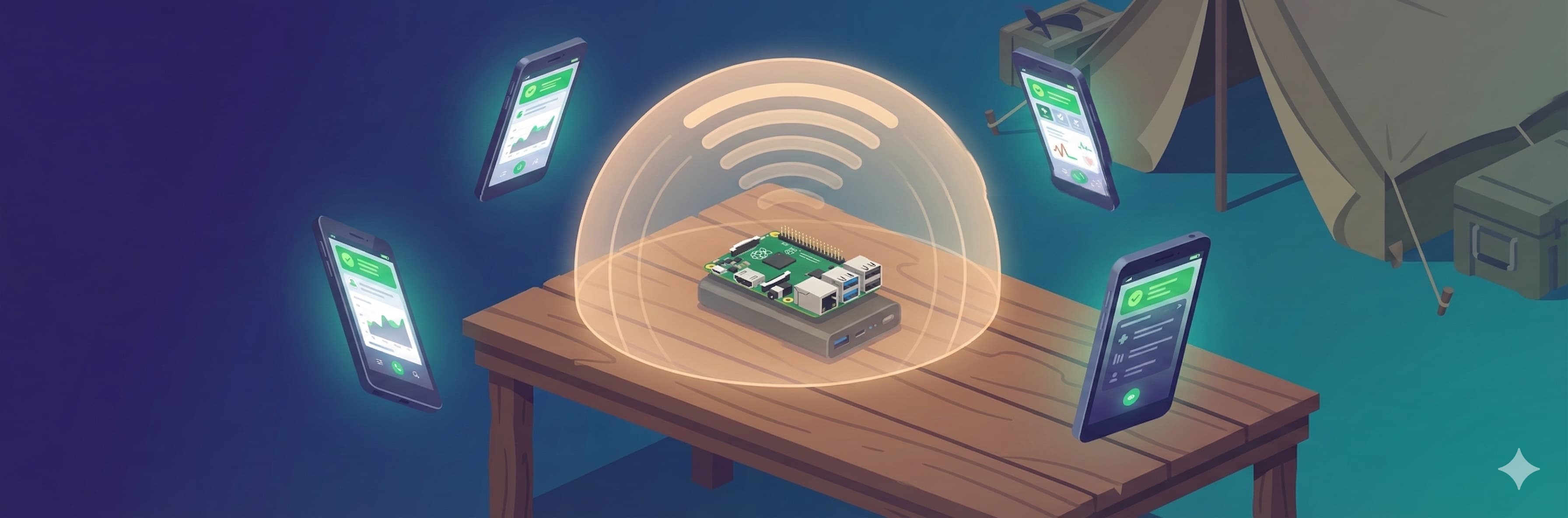
Most medical systems treat offline mode as degradation. xGrid treats it as the default. When your deployment site has no cell towers, no routers, and no IT staff, every design decision starts from zero connectivity.

When the Wall Is Breached — Designing Medical Systems with Safety-II

When the Wall Is Breached — Designing Medical Systems with Safety-II

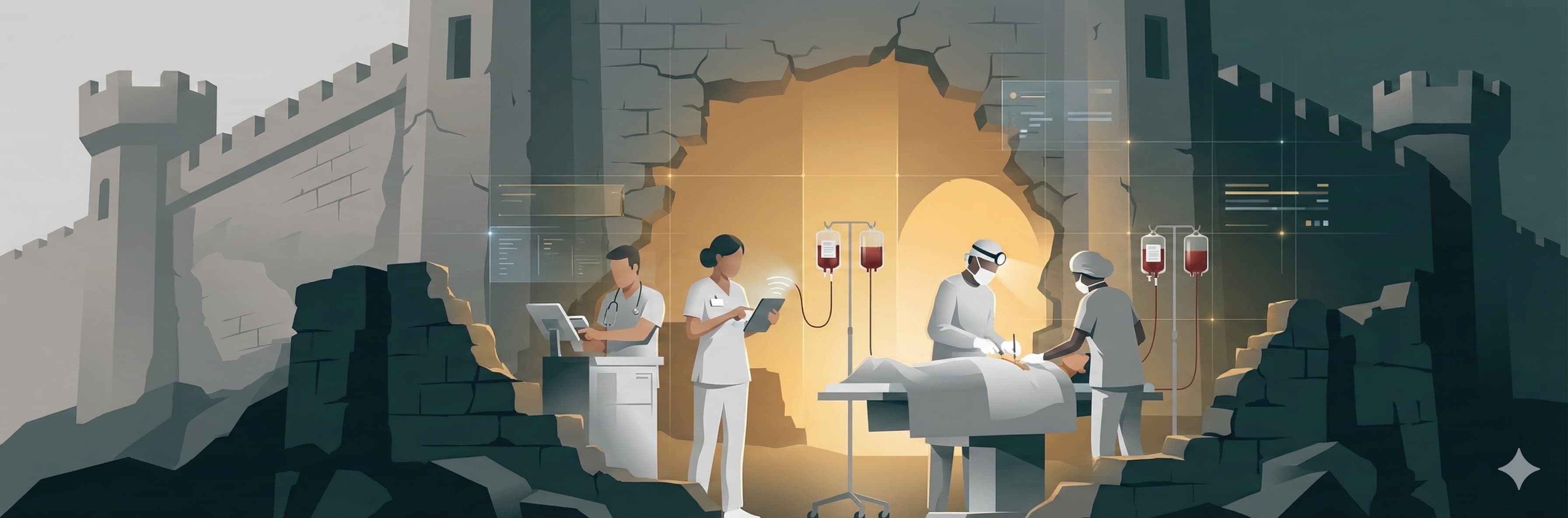
Safety-I builds walls against failure. Safety-II asks how people succeed despite failure. In disaster medicine, the difference determines whether a forced evacuation loses patients or saves them.

One Database, One File, Zero Configuration — Why Simplicity Wins in Disaster Medicine

One Database, One File, Zero Configuration — Why Simplicity Wins in Disaster Medicine

Enterprise database servers are the right choice for most hospitals. On a portable device running disaster medicine software with no IT staff, simplicity is not a limitation — it is the most important feature.

Triage Is Not Classification — It's the First Resource Allocation Decision

Triage Is Not Classification — It's the First Resource Allocation Decision

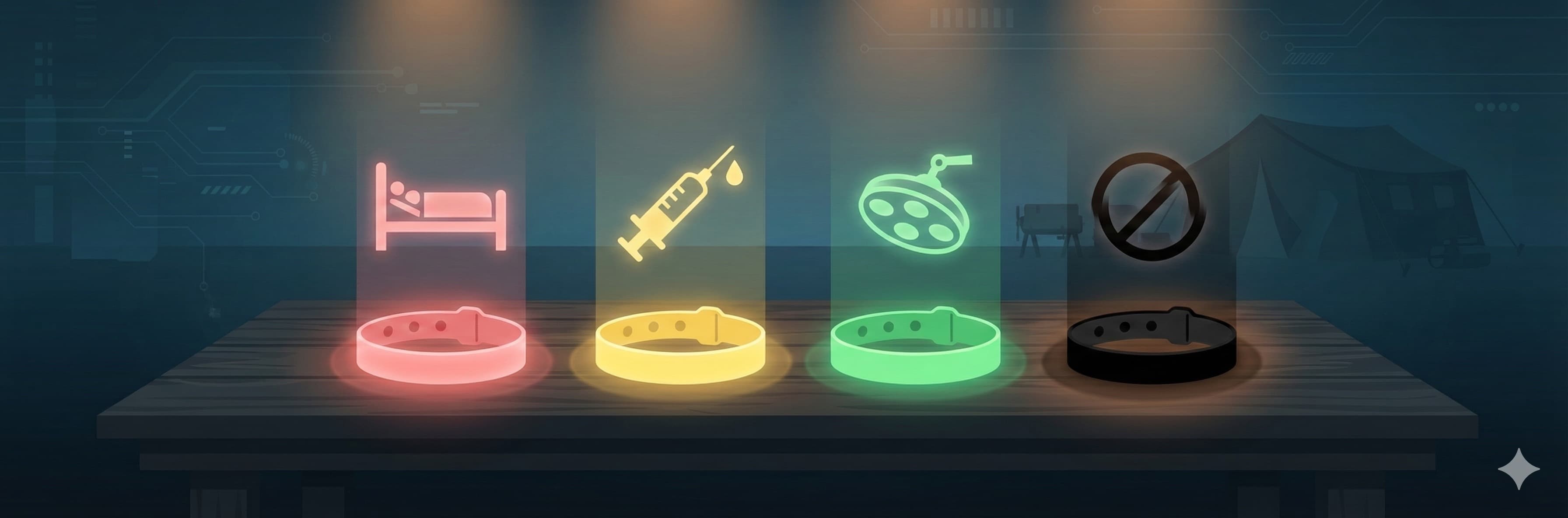
Triage is not about sorting patients into color categories. It is about deciding who gets what resources, when, and at whose expense. In xGrid, the color you assign determines the bed, the drugs, and the surgery slot.

Walkaway DR — How a Phone Rebuilds a Dead Server

Walkaway DR — How a Phone Rebuilds a Dead Server

Your Raspberry Pi just died mid-surgery. Every patient record, blood product, and medication log was on that device. A nurse plugs in a fresh $80 board, and her phone restores everything in under three minutes. Here is how Walkaway Disaster Recovery works.

The Walkaway Test — Designing Software That Outlives Its Creators

The Walkaway Test — Designing Software That Outlives Its Creators

What happens when the development team disappears? We formalized the software industry's 'bus factor' problem into five rigorous acceptance criteria — and built a medical system that passes all of them.

Blog | De Novo Orthopedics