When Disaster Strikes
Earthquake, typhoon, battlefield — when the network goes down, xGrid is the last line of defense.
Network Down
Earthquake collapses cell towers. Typhoon cuts fiber lines. Cloud services become unreachable — but patients still need care.
Equipment Damaged
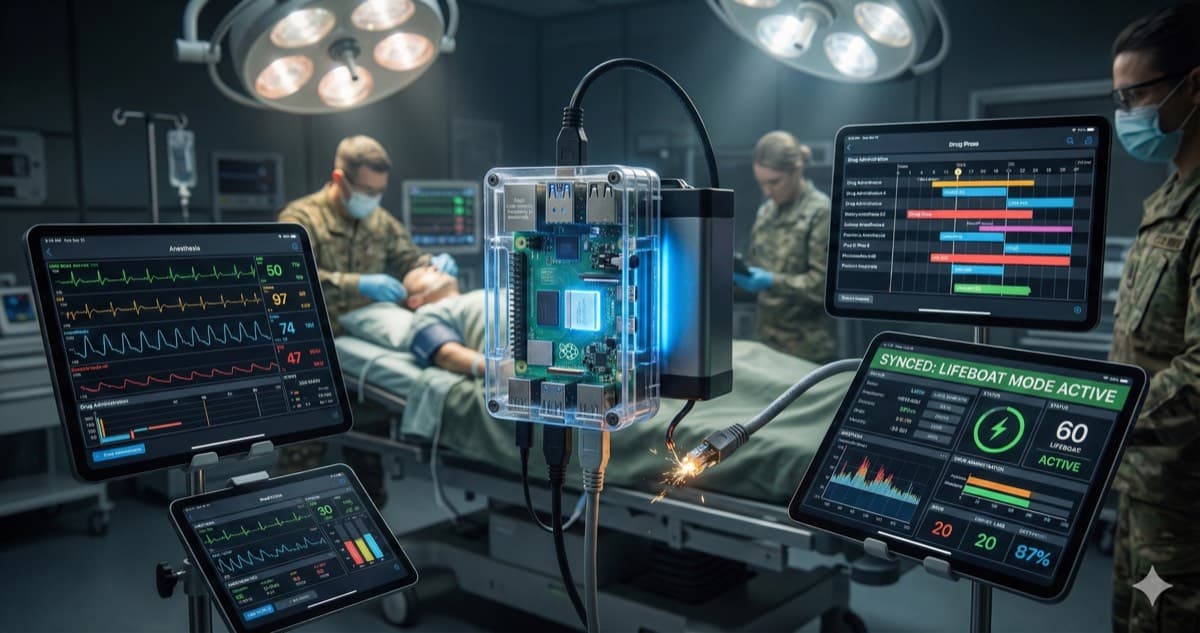
Flooding, lightning, shelling — when equipment is damaged and data becomes inaccessible, you need a system that already lives on every device.
Field Operations
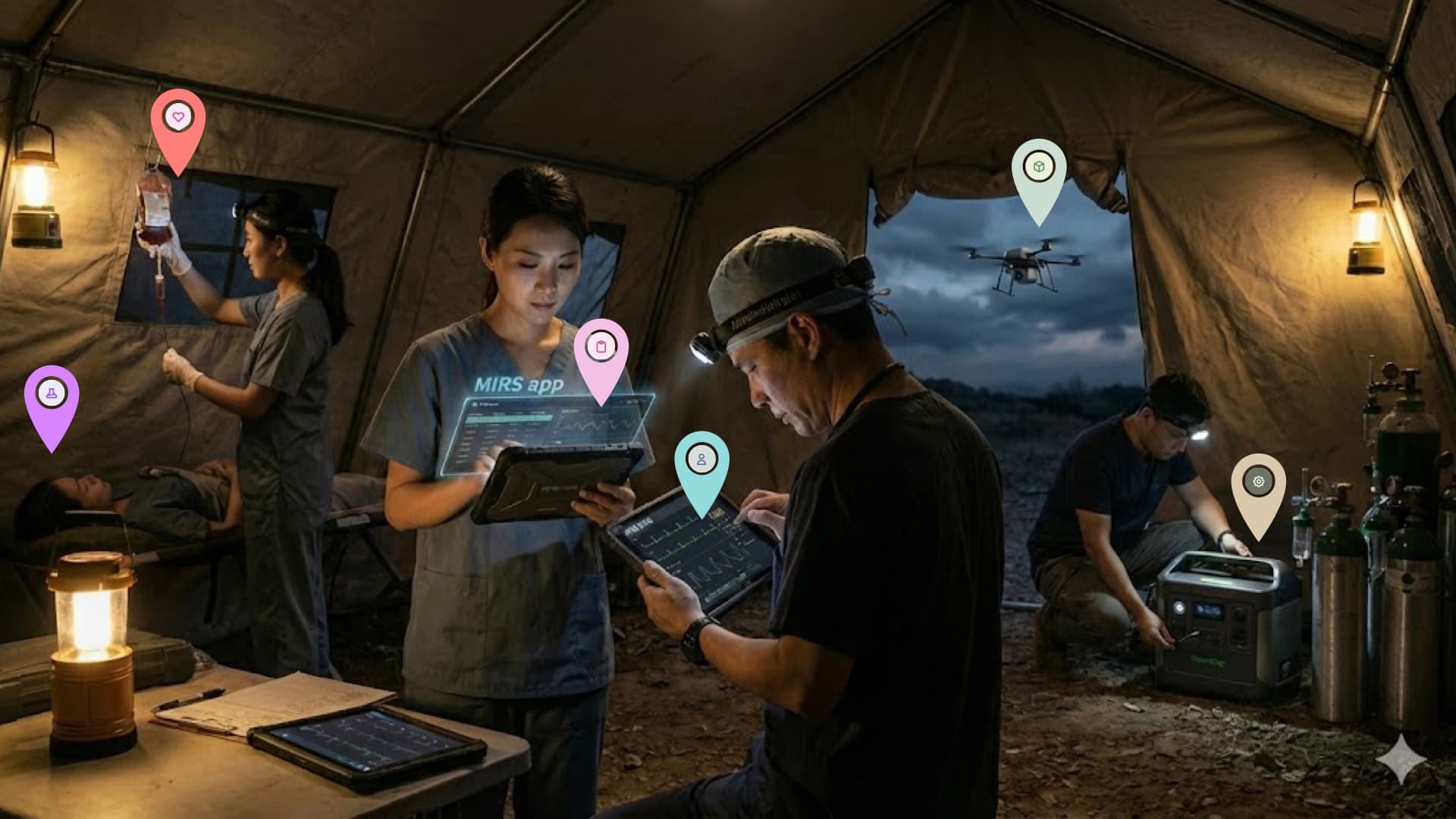
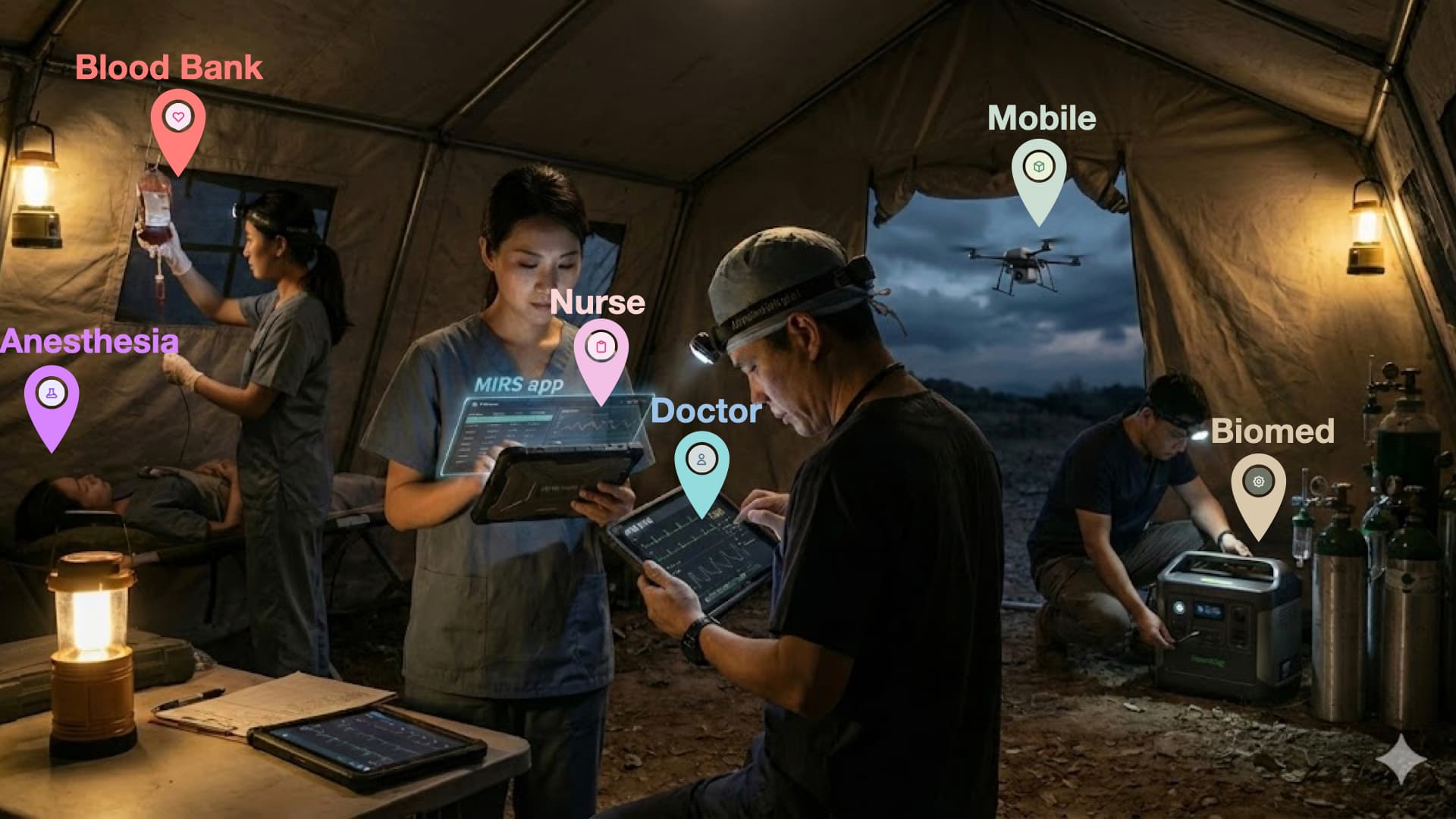
Remote disaster sites, mobile clinics, forward operating bases — no stable network, but nurses can run the full patient workflow from a phone.
De Novo xGrid: Built for the Worst
An offline-first medical platform running on a credit-card-sized local server. Nurses operate the full patient workflow from their phones — registration, triage, surgery, transfusion, discharge billing. Sync when connected, operate independently when not.
Built for Real Disasters
Designed with input from emergency responders and medical professionals
Walkaway Test
If the dev team dissolves and servers shut down, can the system keep running? We validate with 5 tests.
Lifeboat Protocol
When the hub fails, edge devices can rebuild the system.
Like a starfish regenerating a limb, every De Novo xGrid edge device can rebuild the central brain.
When designing a system, assume you'll be hit by a bus tomorrow. Can your users continue without you? This is our standard for every line of code.
Automated End-to-End Test — Patient Scenarios
Under the most demanding test — multiple stations disrupted at once during active care — the system kept every patient record, blood product, and medication transfer tracked and verified, and the designated core flows stayed executable throughout.
View Full Report →Core Operations
Three scenarios for high flexibility and resilience
Community Grid
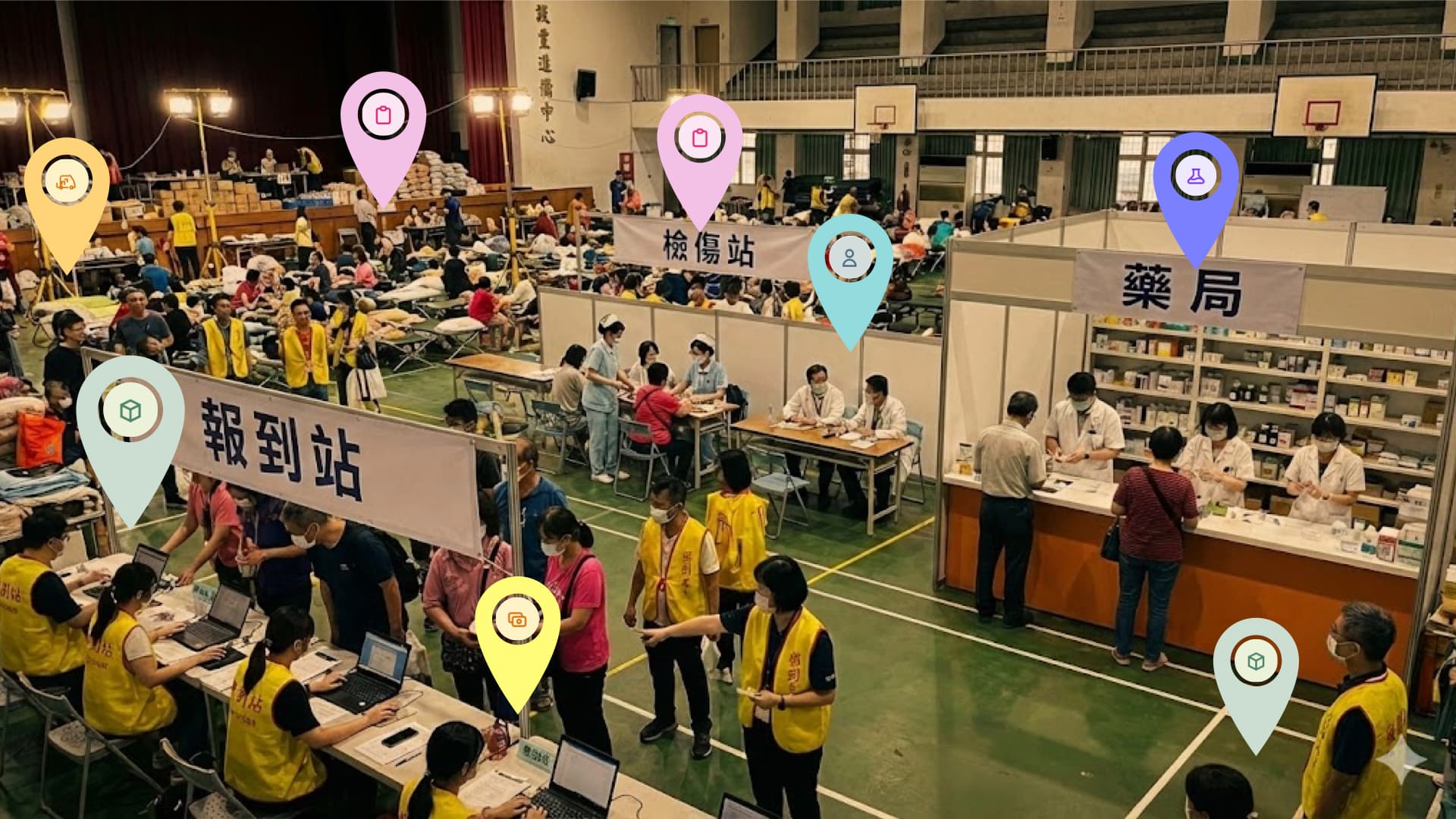
CIRS EngineCommand center for community resilience. Orchestrate shelter operations, coordinate volunteer dispatch, delivery tracking (offline ledger + contract pricing)—all offline.
Medical Grid
MIRS EngineCritical medical data, even offline. Complete patient records, real-time triage classification, medication inventory tracking.
Lâi-Sûn READY
Making resilience part of everyday life. Free offline-first supply management app for families.
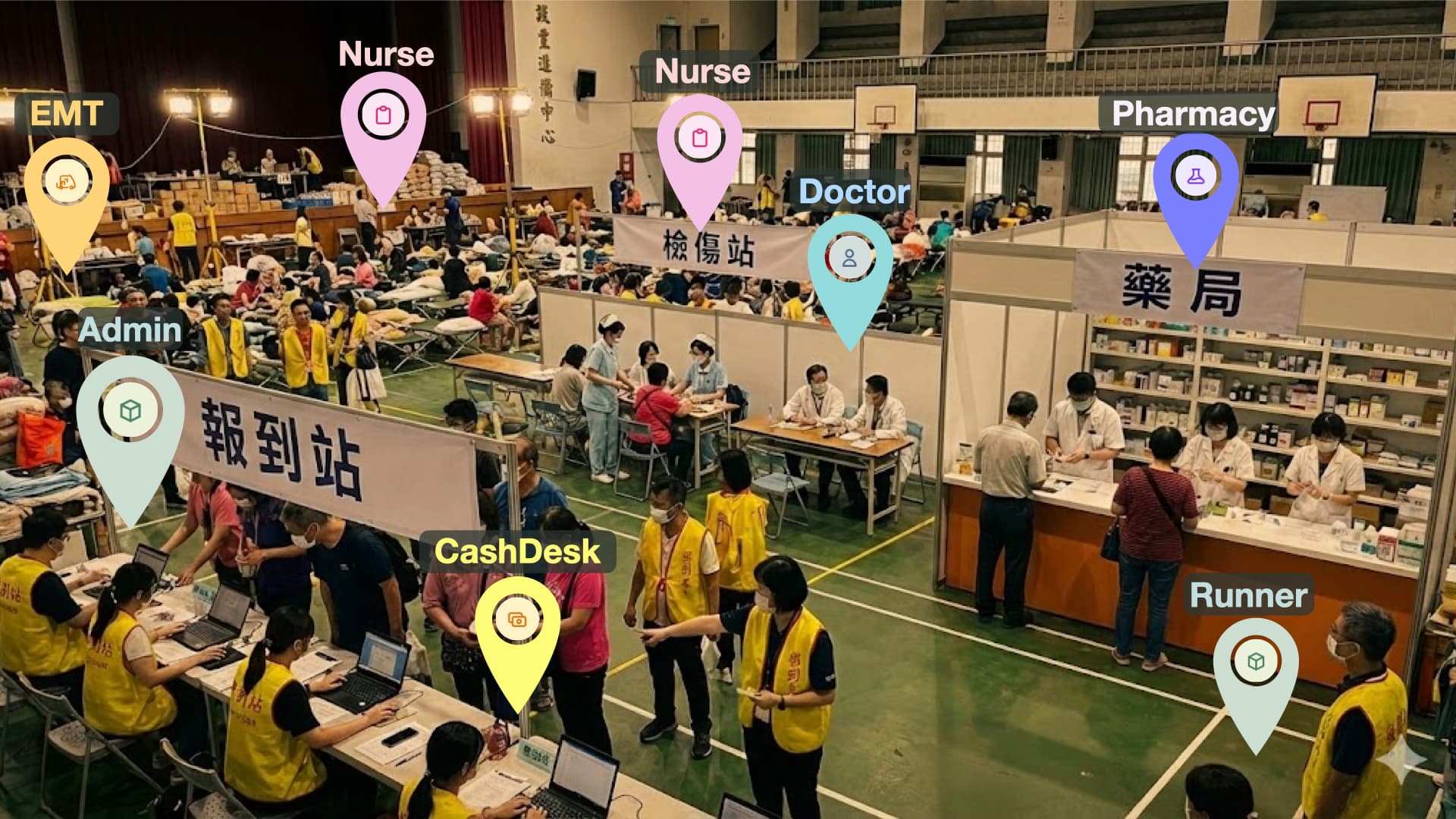
Built for Every Role
From field medics to command center operators, De Novo xGrid adapts to your workflow.
Clinical Ops
Seamless patient handoff from field to hospital. Offline triage, prescriptions, and medical records.
Logistics Ops
Real-time inventory visibility across all nodes. Track supplies, medications, and equipment status.
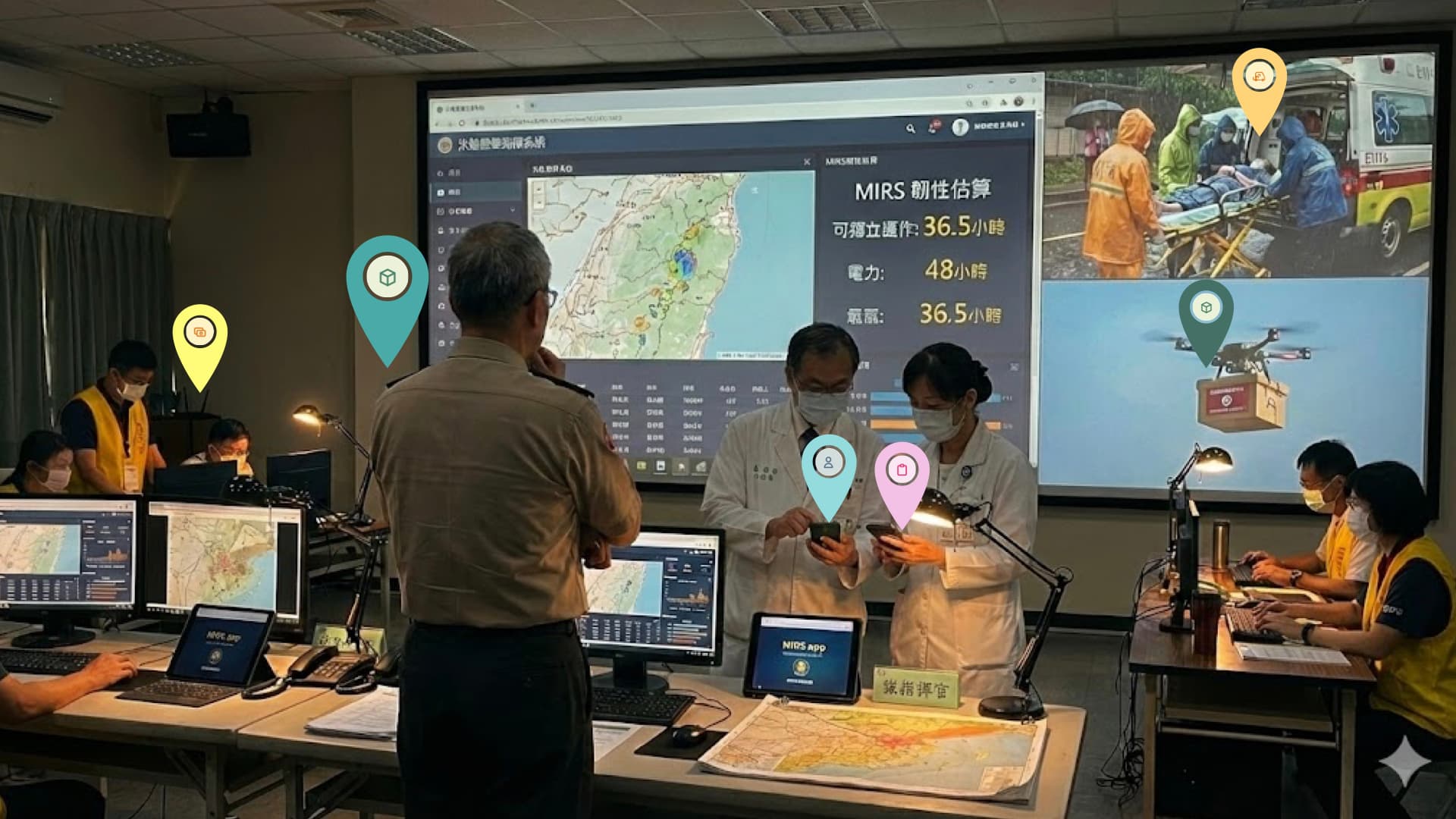
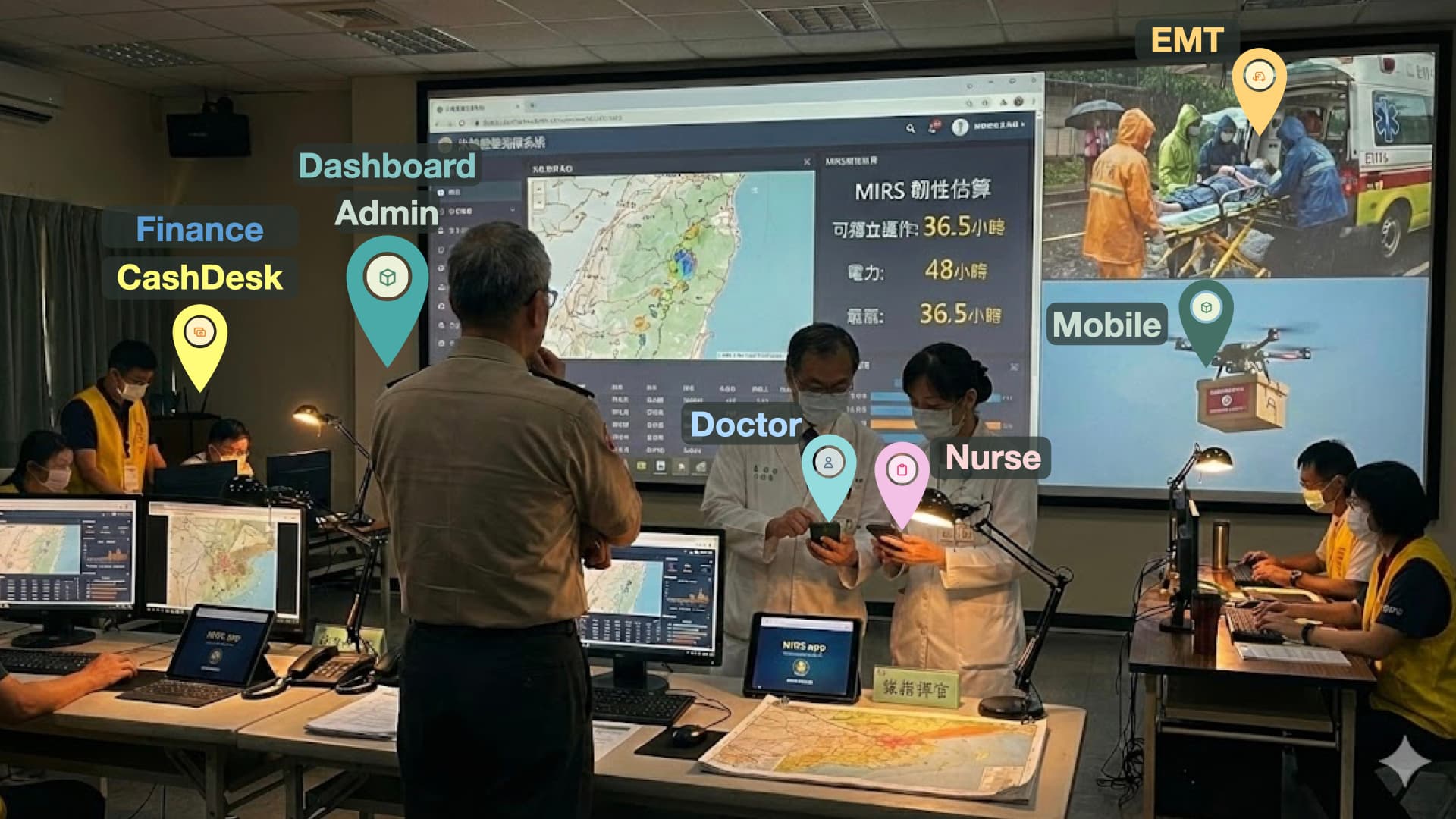
Command Ops
Data-driven decisions when the internet is down. Dashboard analytics and resource allocation.
What is a PWA?
A website that installs like an app. No app store needed — just visit and add to your home screen.
How Does It Work?
PWAs cache everything locally. Once installed, the app runs from your device, even without internet.
Why Does It Matter?
In disasters, networks fail first. PWAs keep working when you need them most — offline, reliable, instant.